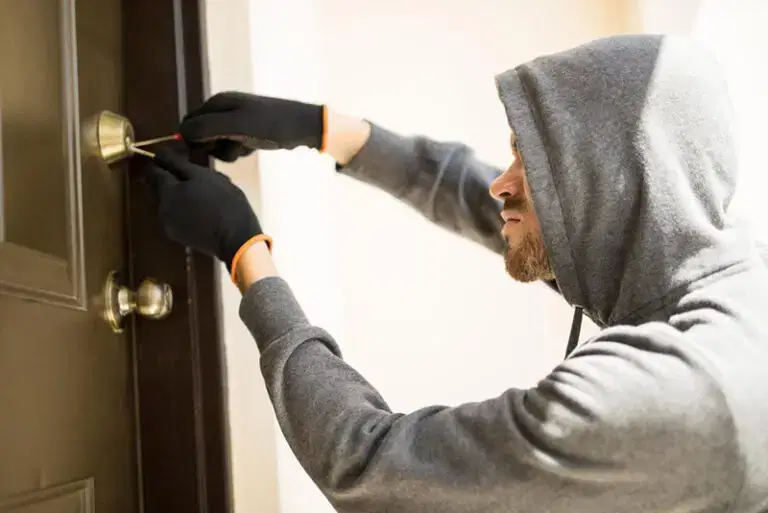
A standard alarm can tell you that something has triggered a sensor. What it cannot always tell you is whether the cause is a genuine intruder, a pet, a curtain moving near a window or even a spider crossing a detector.
That is where video verified alarm systems make a real difference. Instead of leaving you guessing, they use camera-linked sensors to send a short video clip or image sequence when the alarm is triggered. This gives you visual verification of what is happening, so you can respond quickly and avoid unnecessary panic.
For homes and businesses, this technology offers a smarter way to manage alarm activations, reduce false alarms and improve everyday security. It is one of the reasons we recommend it alongside a modern home security system.
What Does a Video Verified Alarm Actually Do?
A video verified alarm is an intruder alarm system that pairs motion detection with visual confirmation. When a sensor is triggered, the system captures a short video clip or set of images and sends it to you, a keyholder, a monitoring centre or a security contact.
This means the alarm is not just making noise. It is also showing you what caused the activation.
For example, if a detector picks up movement in a hallway at night, the system can send a clip straight to your smartphone. You can then check whether it is an intruder, a family pet or something harmless.
How Do Video Verified Alarm Systems Work?
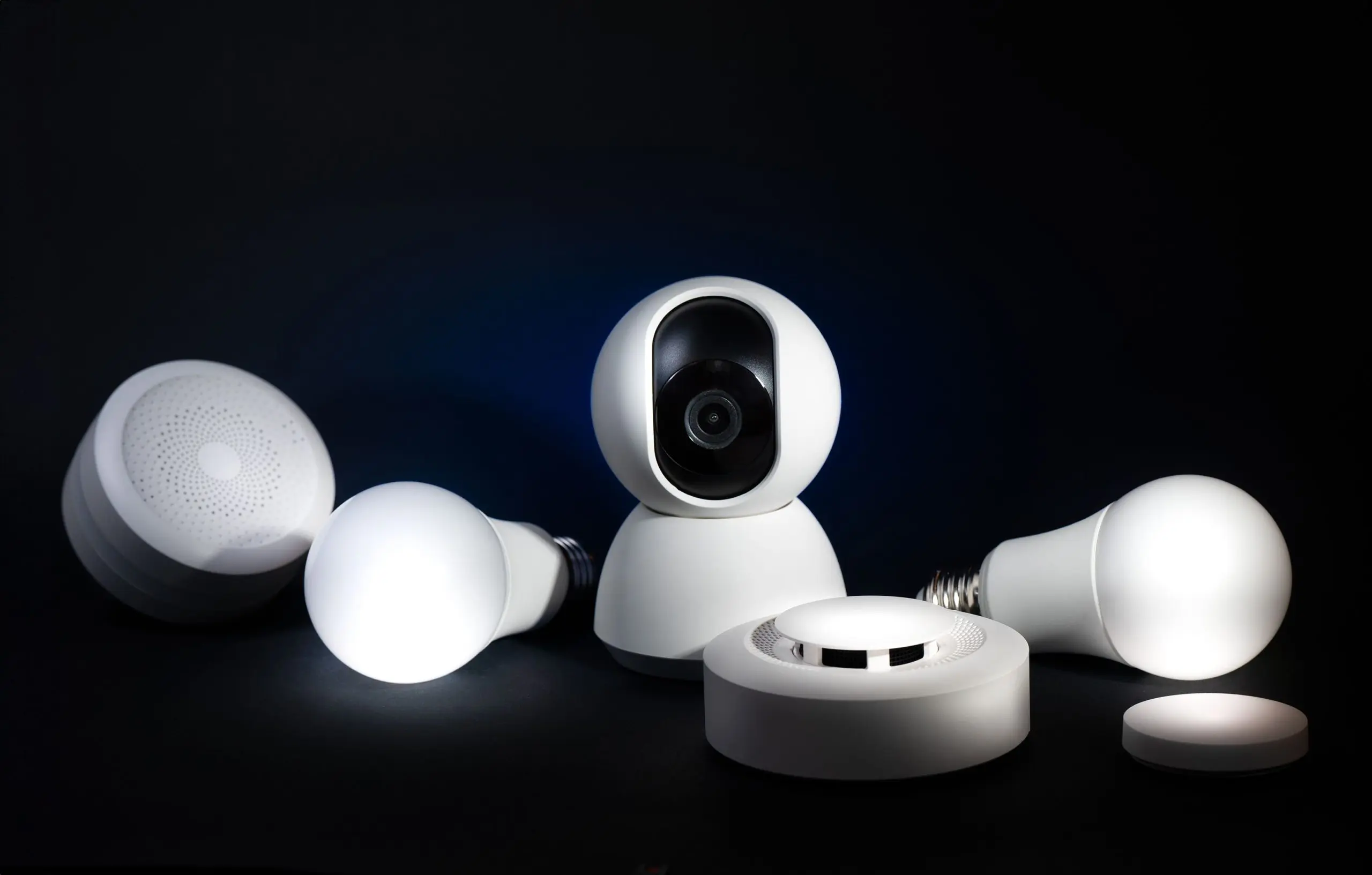
Most video verified alarm systems use PIR camera sensors. PIR stands for passive infrared, which means the sensor detects movement and changes in heat. When movement is picked up, the built-in camera captures footage linked to that alarm event.
In practice, the process is simple:
- A PIR camera sensor detects movement
- The alarm system activates
- A short video clip or image sequence is captured
- The alert is sent to your phone or monitoring centre
- You review the clip and decide what action is needed
This quick visual check means you do not have to react blindly to every notification, and it helps monitoring teams judge whether an emergency response is needed.
How Visual Verification Helps Stop False Alarms
Visual verification gives you context. Instead of a basic alert that only says a sensor has been triggered, you get evidence of what caused it.
If the clip shows a pet walking across the room, you know there is no immediate danger. If it shows someone entering the property, you can act quickly and contact the police, a monitoring centre or a keyholder. This is one of the main reasons modern video verification makes alarm alerts clearer and far easier to manage.
Risco Alarm Verification and Smart Control
Many modern systems, including Risco alarm verification options, give you better control through connected technology. With app-controlled alarms, you can arm or disarm the system remotely, receive security alerts on smartphone, view the video clips linked to each alarm event and check exactly which sensor was triggered. You can also manage users and keyholders, and respond faster to a possible intrusion.
For busy homeowners, landlords and business owners, that means reassurance without needing to be on site all the time. You can read more about how these connected cameras work on our CCTV and video verification page.
Benefits for Homes and Businesses
Video verified alarm systems suit many settings, from family homes to offices, shops, warehouses and commercial units. The main advantage is speed: you get faster confirmation of a genuine threat and fewer unnecessary callouts, which also means less stress caused by false alarms. Smartphone alerts give you more control and confidence when you are away from the property, and any footage captured can serve as useful evidence if a break-in does occur. Keyholders and monitoring teams can respond more effectively too, because they can see what is actually happening.
For businesses, this is especially valuable outside working hours. A shop, office or warehouse alarm at 2am is far easier to manage when you can see what caused it.
Are Video Verified Alarms the Same as CCTV?
Not quite. CCTV is usually designed for continuous or scheduled recording, while a video verified alarm captures footage only when an alarm sensor is triggered. The two work well together, but they are not the same. CCTV gives wider visual coverage, while video alarm verification focuses on confirming alarm events quickly.
As professional installers, we can advise whether your property would benefit from a verified alarm, CCTV or a combined solution across our range of services. We provide trusted security systems for homes and businesses and help you choose the right level of protection.
Make Alarm Alerts Clearer and More Reliable
A video verified alarm gives you more than a basic alert. It gives you the visual evidence you need to decide whether an activation is serious or harmless. For homes and businesses, that can mean fewer false alarms, quicker responses and greater confidence in your system.
At Rotec Alarms, we can help you choose, install and maintain a video verification solution that suits your property, your risks and the way you prefer to manage alerts. We also provide LED Security Lighting solutions that improve visibility, deter intruders and enhance the effectiveness of your CCTV and video verification system, giving you greater confidence in your property’s security both day and night.